For those who haven’t watched Jaws, let me break it down for you: massive Great White shark terrorizes a small town by attacking beach-goers and divers, leaving hardly anything left. It is up to three brave men to put the beast down, or face their community to never be able to swim in the ocean again.
Yes, Jaws is the terror in the mind of the beach-goers, and one reason why many are afraid to swim at a beach while on vacation. There is a very common misconception as to why people believe they are just savage marine beasts. It all boils down to the shark, with it’s poor vision, believes people surfing or swimming are one of its two main prey: the seal and the sea lion.
Though the total of all documented shark attacks worldwide have declined in 2018, Great White attacks still attribute to one-third to one-half of that total. On average there are still around 100 attacks each year. Most of these attacks are not fatal though, as these apex predators are naturally curious, and take smaller bites instead of preying on humans. Who knew we didn’t taste good?
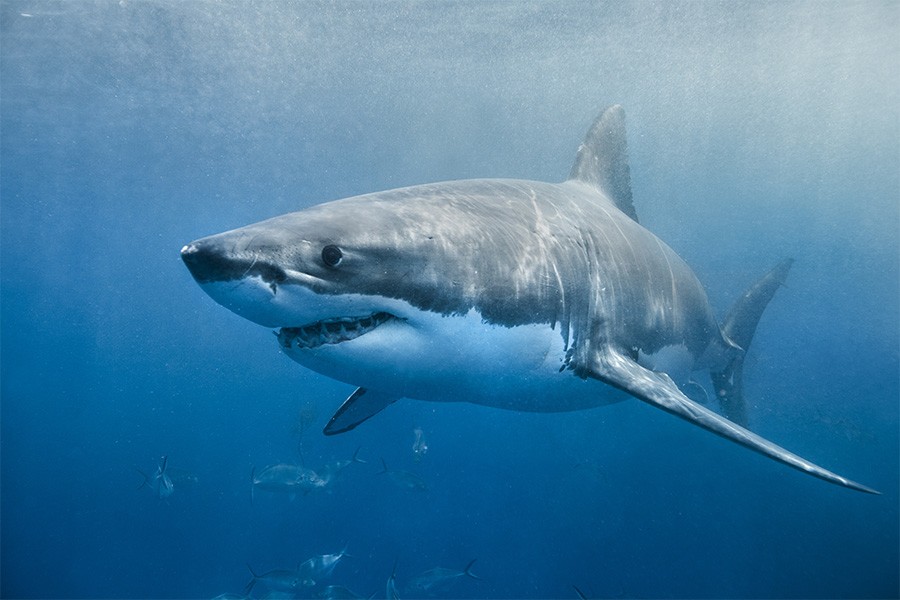
The movie Finding Nemo shows an interesting, but very useful skill that Great Whites have: rolling their eyes back into their head when attacking. Other sharks have a clear membrane covering their eyes when they are attacking their prey, but Greats do not. Instead, they have to roll their pupils back to protect themselves!
The average total amount of food these sharks can eat in a year is roughly 10 tonnes in a year! Aside from seals and sea lions, Greats have also been recorded eating dead whale carcasses, carrion, and even sea turtles.
Great Whites can grow to an average of 15 feet long and the longest is up to 20 feet in length. The heaviest Great recorded was 5,000 pounds
Listed as vulnerable on the list of threatened species, efforts have been taken to reduce the sport fishing for their fins, meat, jaws, and even game records.
If you would like to help in the conservation efforts you can visit here and sign up!

 Discover the (Animal) Kingdom